Opens in a new tab

Steel Challenge

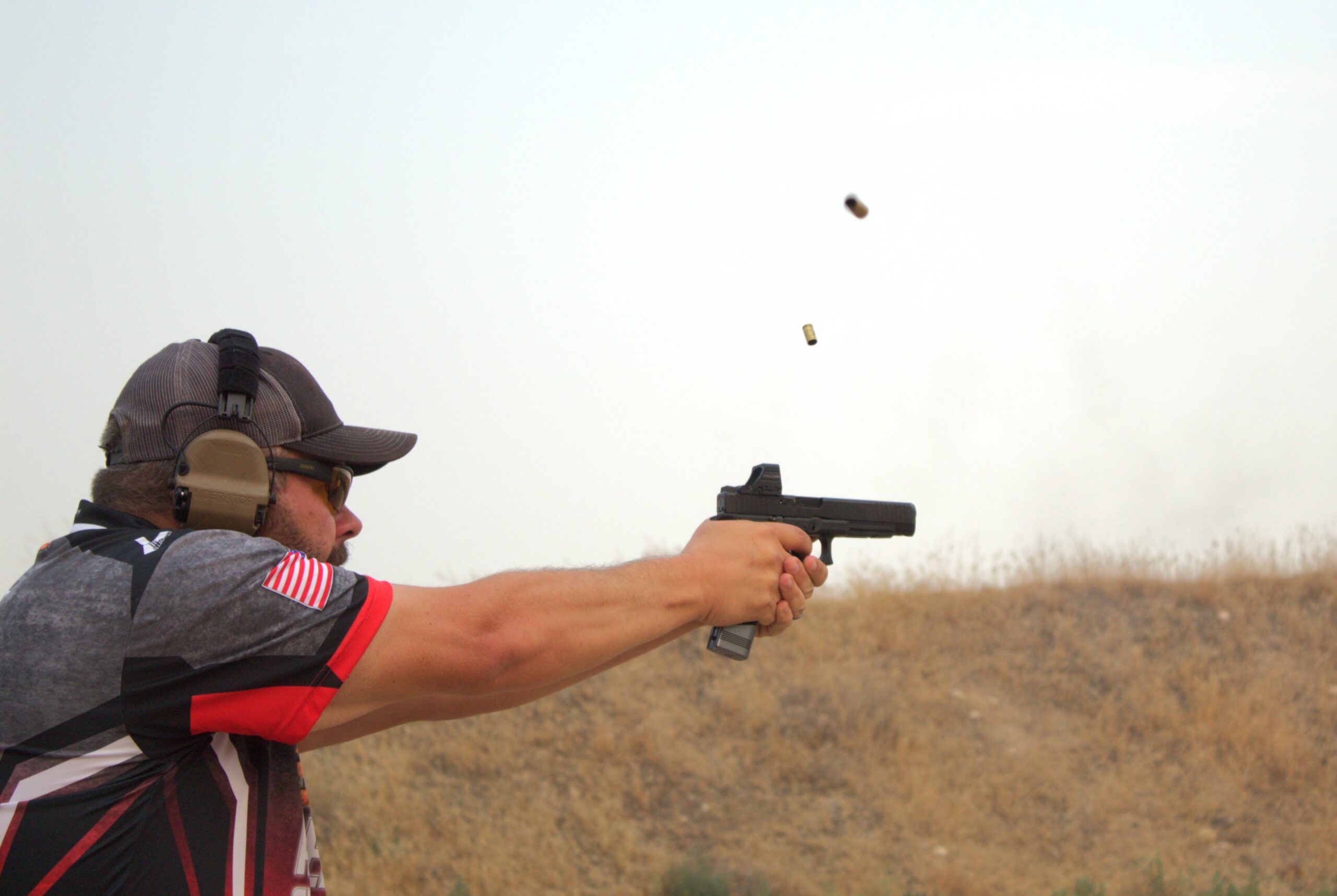
Steel Challenge is the world’s premier speed shooting sport, governed nationally by USPSA and its Steel Challenge Shooting Association division. The goal is simple: hit five steel targets as fast and accurately as you can, with no complex scenarios, moving targets, or tactical decisions. With divisions for everything from .22 rimfire to centerfire pistols and PCCs, it’s a welcoming, safe place for new shooters to start and a true test of speed for seasoned competitors.

When:

  • End of March - End of September Check out our Match Schedule

Where:

  • 7990 Bennett Road, Nampa, ID 83686 (White Pits)

Membership Required?:

    No - Open to the public with registration

What is Steel Challenge?

Fast. Fun. Accessible to Everyone.

If you love the sound of lead hitting steel and the thrill of speed, welcome to Steel Challenge—the premier speed shooting sport in the world!

Governed nationally by the United States Practical Shooting Association (USPSA) and its Steel Challenge Shooting Association (SCSA) division, the game is simple: shoot five steel targets as fast and accurately as you can. There are no complex scenarios, no moving targets, and no complicated mental math. It’s just you, your firearm, the clock, and a wall of steel.

Whether you are a seasoned competitive shooter looking to shave fractions of a second off your run, or a brand-new gun owner looking for a welcoming, safe way to try out action shooting, Steel Challenge is the absolute best place to start.

Why You Should Come Shoot With Us

  • Incredible for Beginners: With zero complex movement or difficult tactical decisions, first-time competitors can step onto the range with confidence. Safety and sportsmanship are always our top priorities.
  • Pure Speed & Skill: It’s the ultimate test of target transition, draw speed, and recoil management. Every match gives you multiple runs to beat your personal best.
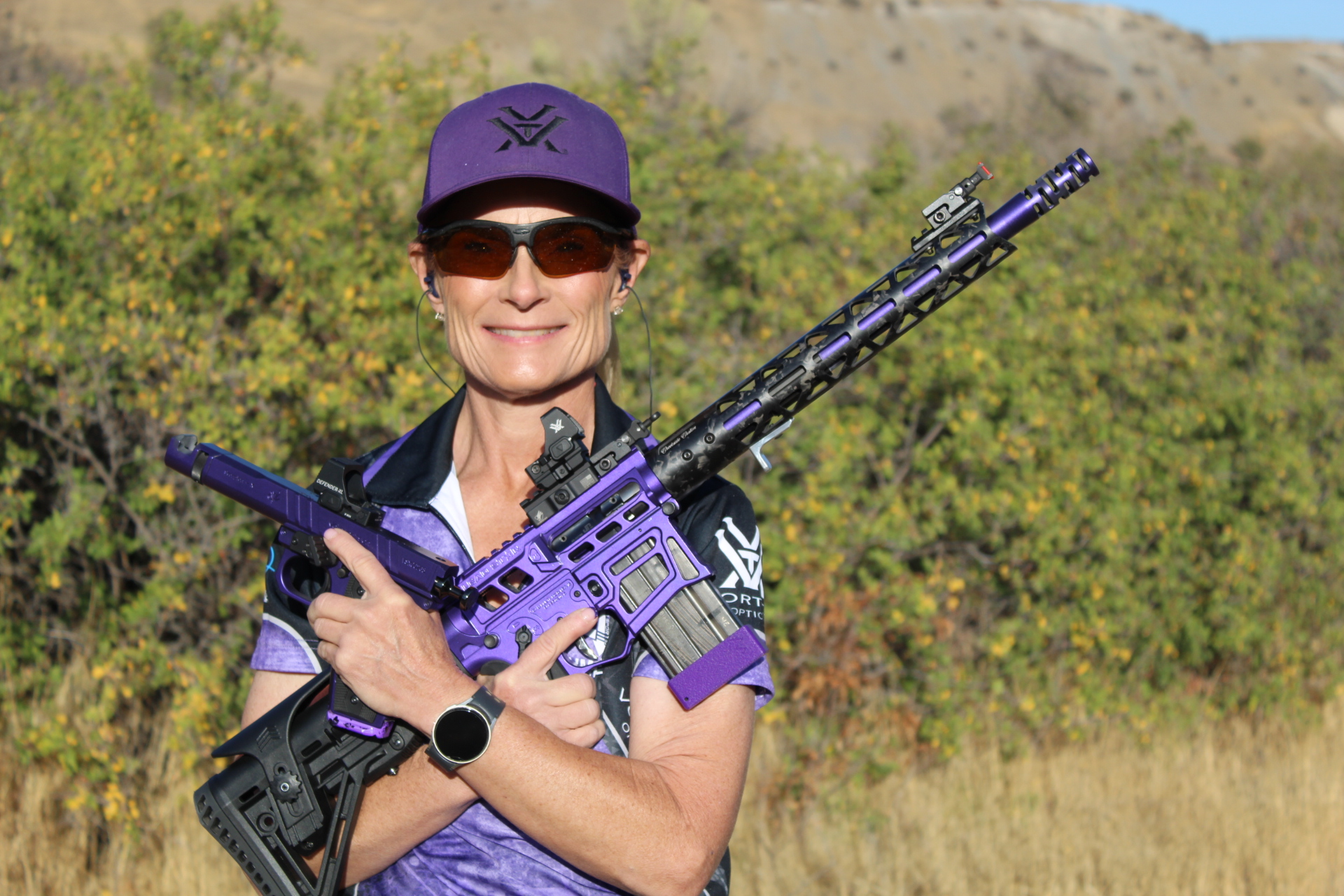
  • A Division for Almost Every Gun: You don’t need specialized gear to get started. From rimfire pistols and rifles (.22 LR) to Centerfire Pistols, Revolvers, and Pistol Caliber Carbines (PCC), there is a division for what you already own.
  • An Amazing Community: Operating under official USPSA guidelines, our matches are known for camaraderie, helpful mentors, and a fantastic group of people who love the shooting sports. You’ll spend more time laughing, cheering on squad-mates, and talking gear on the range and making friends.

    DISCIPLINE DIRECTOR

    Aimee Williams

CONTACT DIRECTOR

FAQ

Frequently Asked Questions

Common questions about membership, visiting, and range use.

Nampa Rod & Gun Club

The following is a list of some common questions that we are asked. If you have a specific question to which you are unable to find an answer here, you may also contact a Board Member or Discipline Director.

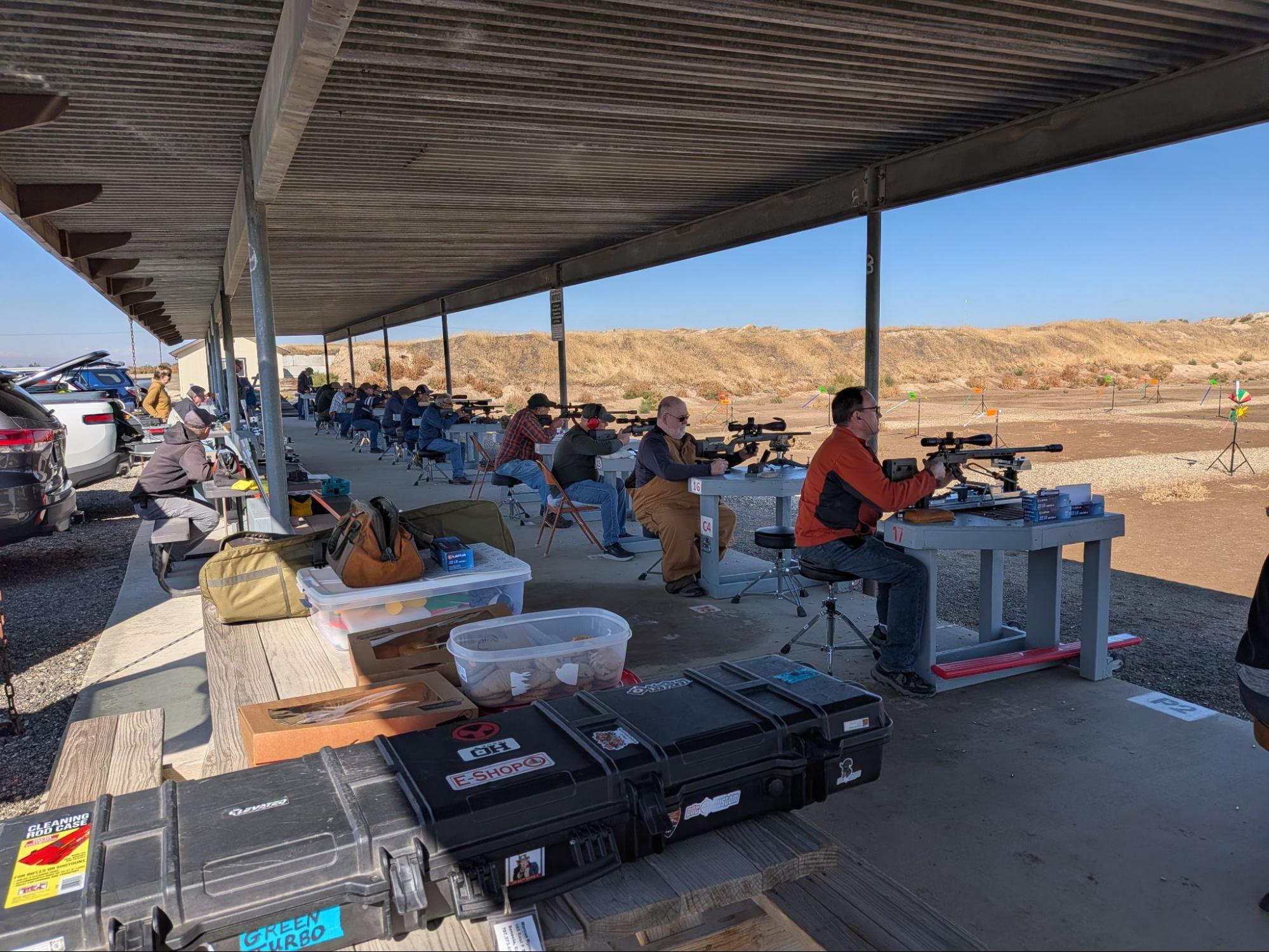
  1. Check-In & Safety Briefing: Arrive a bit early to get checked in. We hold a mandatory safety and orientation briefing for all shooters before the match begins.
  2. Squad Up: You’ll be placed into a friendly squad of shooters of mixed experience levels who will guide you through the stages and help keep score.
  3. Shoot & Have Fun: You’ll shoot several standardized SCSA stages (like Outer Limits, Speed Option, or Five to Go). Every stage consists of five steel plates, with the last plate being the “stop plate.”

We can’t wait for you to come experience the thrill of steel shooting for yourself! Check out our upcoming match schedule, grab your gear, and come on out—we are eager to meet you and welcome you to the club.
  • Strings per stage. You shoot five timed runs (strings) on each stage. Your slowest time is dropped, and your four fastest times are added together for your stage score. [1, 2, 3]
  • Target order. Each stage features four standard plates and one designated stop plate, which is usually marked with a red stick. You can shoot the first four plates in any order, but you must hit the stop plate last to stop the timer. [1, 2]
  • Penalties. Missing a primary plate adds a 3-second penalty to that string’s time. Failing to hit the stop plate results in a 30-second penalty, which is also the maximum time allowed per string. [1]
  • Winning. The shooter with the lowest cumulative time across all stages wins the match or division. [1]
There are 8 official SCSA stages that use the exact same target sizes and distances at every sanctioned match worldwide: [1, 2]
  • 5 to Go
  • Showdown
  • Smoke & Hope
  • Outer Limits (the only stage requiring movement between shooting boxes)
  • Accelerator
  • The Pendulum
  • Speed Option
  • Roundabout [1]
Local club matches (Level 1) typically set up 4 to 6 of these stages, while major championships feature all 8. [1, 2]
Steel Challenge offers 13 equipment divisions across handguns, rifles, and carbines: [1, 2]
  • Rimfire (.22 LR). Rimfire Pistol Open, Rimfire Pistol Irons, Rimfire Rifle Open, and Rimfire Rifle Irons. These divisions start from a “low ready” position aimed at a cone or flag, so no holster is required.
  • Centerfire Pistol. Open, Limited, Limited Optics, Carry Optics, Production, Single Stack, Open Service Revolver, and Limited Service Revolver. Competitors draw from a belt holster with their wrists above their shoulders.
  • Pistol Caliber Carbine (PCC). PCC Open and PCC Irons. Like rimfire, PCC competitors start from a low-ready position. [1, 2, 3, 4]
  • Firearm and magazines. Bring your firearm and at least five magazines (one for each string on a stage) so you do not have to reload magazines mid-stage.
  • Ammunition. Plan on bringing at least 25 to 30 rounds per stage, or roughly 150 to 250 rounds for a full match to account for extra makeup shots.
  • Carry gear. Centerfire pistol shooters need a secure belt holster that covers the trigger guard. Rimfire and PCC shooters need a rifle bag or pistol rug along with a chamber flag.
  • Safety gear. Wrap-around eye protection and hearing protection are mandatory for everyone on the range. [1, 2, 3, 4, 5]
  • Cold range. Firearms must remain unloaded at all times until you are on the firing line and the Range Officer gives the “Make Ready” command.
  • Safe Areas. You may only handle unloaded firearms (for bagging, unbagging, or dry fire) inside designated Safe Areas. Ammunition is strictly prohibited inside Safe Areas.
  • The 180-degree rule. Your muzzle must always stay pointed downrange within a 180-degree plane. Breaking the 180 or having an accidental discharge results in an immediate match disqualification
ara

Discover the Club

For decades, Nampa Rod & Gun Club has been a home for shooters who take pride in safety, skill, and sportsmanship. Learn more about our disciplines, events, and the people who make the club what it is.